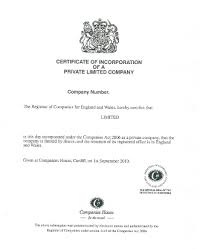
 When starting a new business, there are many things to think about, and consider. One such consideration is the business structure that your business will be under. The choice usually comes down to one of two options:
- Sole trader
- Limited company (LTD)
Below is a simple introductory guide to the two different structures:
Sole Trader
- Running your business as a Sole Trader means that you, yourself are registered as self-employed with HMRC. In effect, you and your business are one entity.
- This means you can become personally liable for any debt that your business takes on.
- The administration requirements of being a Sole Trader are fairly small and simple – you will be required to submit a Self-assessment tax return every year with HMRC, and pay any tax due as a result.
Limited company (LTD)
- Creating a Limited Company means that your business is separate to yourself. In effect, you are only personally liable to the investment you have made into the business.
- By creating a Limited company, you will become Director and Shareholder of the business.
- As shareholder, you can pay yourself dividends out of the profits of the business.
- As a director, you must act responsibly to ensure the best interests of the business are considered.
- A Limited Company means that certain information about your company is made available through Companies House, where you will be registered.
- The administration requirements of a Limited Company is greater than a Sole Trader – you need to file annual Company Accounts, file Corporation tax returns, and maintain statutory books over registers of directors, etc.
- However, there are tax advantages to being a Limited Company over being a Sole Trader, due to the way a Director and Shareholder can remunerate themselves.